
Disclosure: Tabilane earns a commission if you book through links on this page, at no extra cost to you. This does not affect our recommendations. See our Affiliate Disclosure for details.
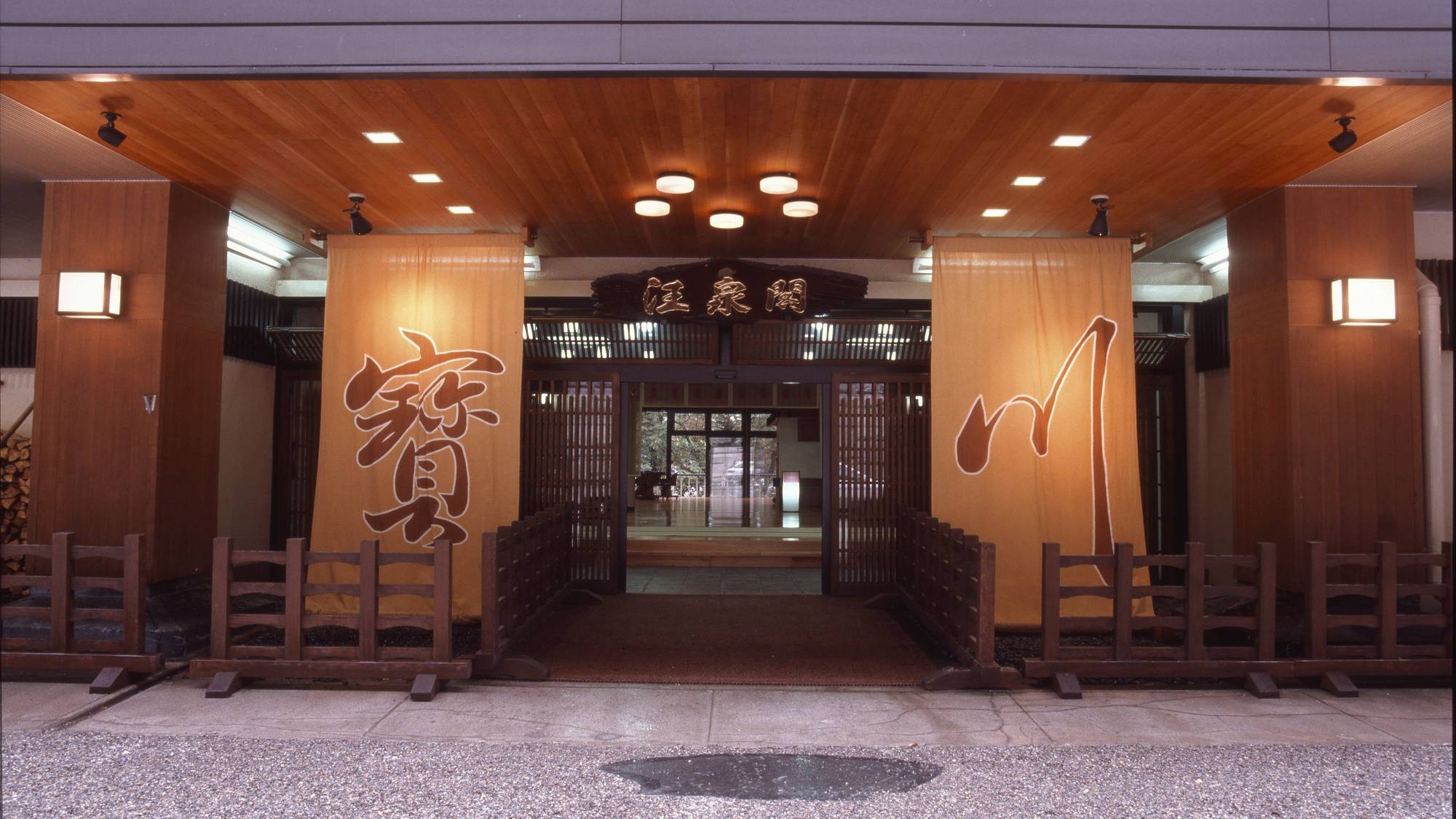
Takaragawa Onsen sits at the end of a narrow mountain road in northern Gunma, in a river valley that most of Japan has not found yet — one of Japan's roughly 27,000 hot spring sources. The inn — Osenkaku (汪泉閣), founded in 1923 — operates four outdoor hot spring pools fed by a natural source flowing at over 1,800 liters per minute. The combined bathing area exceeds 470 tatami mats. No other single facility in Japan offers outdoor bathing at this scale.
Lonely Planet named it among Japan's top hot springs. It has appeared as a filming location for Thermae Romae II, the Japanese-Italian comedy about ancient Roman baths transported to modern Japan — a choice that made sense to anyone who has seen the pools.
This guide covers what makes Takaragawa genuinely distinctive, what the mixed bathing experience actually involves (including what you must and must not wear), the real tattoo situation, and the step-by-step route from Tokyo.
Quick Answer
Takaragawa Onsen Osenkaku is a traditional mountain inn in Minakami, Gunma Prefecture, with four outdoor hot spring pools along the Takaragawa River. Day use is available from 10:00 AM to 4:30 PM (last entry 4:00 PM) at ¥1,500 per adult (children ¥1,000), which includes the facility’s bath dress — confirm current day-use hours and fees on the official site before visiting. Three of the four pools are mixed bathing; one is women-only. Mixed bathing uses the facility-provided yukata bath dress — personal swimwear is not permitted. Tattoos are accepted without restriction. Access from Tokyo by Shinkansen and bus takes approximately 2.5–3 hours.
What Makes Takaragawa Different
The numbers are one thing. Four outdoor pools. Source water flowing at over 1,800 liters per minute, kakenagashi style — meaning the water flows directly from the source into the baths and out again without recycling, heating, or chemical treatment. The spring temperature at source is approximately 70°C; by the time it reaches the pools it has cooled naturally to a comfortable 40–42°C.
The setting is the other thing. Osenkaku sits in the Takaragawa River valley, hemmed in by the Tanigawa mountain range. The river runs alongside the outdoor pools. In autumn the valley turns yellow and orange. In winter the steam from the pools rises against snow-covered cedar branches. There is no phone signal. There is no convenience store for a considerable distance. The journey requires intention, which is part of why arriving feels earned.
The building is constructed from hinoki cypress, with cherry wood pillars throughout the main structure. It has aged into the landscape over a century in the way old mountain buildings do — unapologetically.
Recognition:
- Lonely Planet Japan: included in Top Hot Springs in Japan — recognized specifically for riverside outdoor bathing
- Thermae Romae II (2014 film): selected as a filming location
The Four Outdoor Pools
All four pools are outdoors, fed by the same source, and run kakenagashi. They sit at different points along the river and have distinct characters.
Kodakara-no-Yu (子宝の湯): The largest pool at approximately 200 tatami mats — the centerpiece of Osenkaku and the one most photographs show. Mixed bathing. The name translates roughly as "blessed with children" and the pool has historical associations with fertility. At 200 tatami it can accommodate a substantial number of bathers simultaneously without feeling crowded.
Maka-no-Yu (摩訶の湯): Approximately 120 tatami mats. Mixed bathing. Often described as the most famous of Takaragawa's baths, set directly alongside the river with the sound of running water as a constant backdrop. Its name comes from the Buddhist term maka (from the Sanskrit mahā, "great"), in keeping with the Buddhist names of the other pools. This is where the river and the onsen feel most continuous.
Hannya-no-Yu (般若の湯): The smallest of the four at approximately 50 tatami mats. Mixed bathing. More intimate in scale than the other pools — quieter, with a closer relationship to the cedar forest on the opposite bank.
Maya-no-Yu (摩耶の湯): Approximately 100 tatami mats. Women-only. Offers the same kakenagashi water and riverside mountain setting without the mixed bathing element for visitors who prefer it. Open to women during all regular bathing hours.
Early morning is the best window: For overnight guests, the mixed pools open early — Kodakara-no-Yu, the largest, runs 5:00 AM to 9:30 AM (and 2:00 PM to midnight) per the official site. River mist and near-empty pools make this the finest time to soak; exact hours vary by pool and season, so confirm them at check-in. Women who prefer to avoid mixed bathing altogether have the dedicated women-only Maya-no-Yu available throughout.
Mixed Bathing: What You Need to Know Before You Go
This is where Takaragawa differs from nearly every other onsen in Japan — including other mixed bathing facilities — and where the most common travel article misinformation appears.
Personal swimwear is not permitted in the mixed bathing pools.
The facility provides a yukata bath dress (湯浴み着) for use in the water. This is a light garment worn into the pool — not a modesty towel held at the side, and not optional. It is the required clothing for mixed bathing at Takaragawa, and it is included in the day-use admission fee — there is no separate rental charge.
The reason this matters practically: if you arrive expecting to use your own swimsuit, you will need to use the facility-provided yukata dress instead. Pack accordingly — bring a bag for wet items — but do not rely on your personal swimwear getting you into the mixed pools.
What the experience is actually like: three pools with a mix of Japanese and international visitors, in yukata dress, in very good hot spring water alongside a mountain river. The atmosphere is unhurried. People soak, move between pools, watch the river. The outdoor setting removes any of the tension that enclosed changing rooms might create. It is unusual by Japanese standards and straightforward once you are in it.
Tattoos: Explicitly Accepted
Takaragawa Onsen Osenkaku accepts tattooed guests in all four outdoor pools without restriction. There is no cover-up requirement, no policy of prohibition, and no staff intervention for visible tattoos of any size or placement.
This puts Takaragawa in a small category of Japanese hot spring facilities where the tattoo question does not apply. If tattoo policy has caused you to hesitate on onsen experiences elsewhere in Japan, it is not a factor here.
Getting There from Tokyo
The journey requires attention to schedules. Public transport works, but the connections are infrequent and missing one can add substantial time.
Option 1: Shinkansen + Bus
Step 1: Take the JR Joetsu Shinkansen from Tokyo Station or Ueno Station to Jomo-Kogen Station (上毛高原駅). Journey time approximately 70 minutes. The Tanigawa and Toki services both stop here.
Step 2: From Jomo-Kogen Station, take the Kan-etsu Kotsu bus toward Minakami. Journey to Minakami Station (水上駅) approximately 20 minutes.
Step 3: From Minakami Station, take the Kan-etsu Kotsu bus toward Yuno-Koya and disembark at Takaragawa-guchi (宝川入口). Journey approximately 30 minutes. Approximately 5 buses operate daily — check the timetable before leaving Tokyo and build your entire day around it.
Step 4: A free shuttle bus operates between Takaragawa-guchi and Osenkaku for both day visitors and overnight guests. Journey approximately 5 minutes.
Total from Tokyo: approximately 2.5 to 3 hours depending on connections.
For overnight guests: Osenkaku operates a direct free shuttle from Jomo-Kogen Station once daily. Reserve this when you book your stay — it removes the Minakami transfer entirely.
Option 2: Car
Take the Kan-etsu Expressway to Minakami IC (水上IC), then follow Route 291 into the Takaragawa valley — approximately 30 minutes from the expressway exit to Osenkaku. From central Tokyo the drive takes roughly 2 hours in normal conditions. The approach road into the valley is manageable in all seasons; check road closure information for snow conditions if visiting December through March.
Car access is the practical recommendation for day visitors. The bus schedule makes the public transport option workable but unforgiving.

Photo: kallerna, CC BY-SA 3.0, via Wikimedia Commons — One of Takaragawa Onsen's riverside outdoor baths under winter snow, alongside the Takaragawa river the resort is named for.
Day Use vs. Overnight Stay
Day use (日帰り入浴):
- Hours: 10:00 AM – 4:30 PM, last entry 4:00 PM (per official site; confirm before visiting)
- Entry fee: ¥1,500 per adult, ¥1,000 per child (includes the bath dress)
- Includes: access to all four outdoor pools
- Yukata bath dress: included in the admission fee (required for mixed bathing; personal swimwear not permitted)
- Weekends fill up by early afternoon — arrive at opening
Overnight stay: Osenkaku is a traditional ryokan with 42 Japanese-style guestrooms across three buildings. Rates typically run ¥20,000–¥40,000 per person per night with dinner and breakfast. Dinner features mountain vegetables and local river fish prepared in the kaiseki style.
Staying overnight gives you access to the pools from early morning — the largest mixed pool opens at 5:00 AM, the best time by a considerable margin. The valley at early morning, with river mist and the baths to yourself, is a different experience from the afternoon crowds.
宝川温泉 汪泉閣 (Takaragawa Onsen Osenkaku) ★4.26/5 · 1,066 reviews — The destination this article covers. Rakuten Travel holds the most comprehensive availability for this property. Japanese-language site; Chrome Translate handles the booking flow. Affiliate link.

Photo: nobiinue, CC BY-SA 2.1 JP, via Wikimedia Commons — The Takaragawa valley and the Osenkaku ryokan in autumn; Osenkaku is the only ryokan in the valley and operates the four riverside baths.
Practical Information
What to bring:
- Cash — card acceptance at remote mountain ryokan is unreliable; bring sufficient yen for entry and any extras
- A small dry towel for between pools
- Bag for wet items — the yukata bath dress will be wet when you finish
- Snacks and water for the journey; there is nothing in the valley to purchase
What not to bring:
- Your own swimwear (not permitted in the mixed bathing pools)
- Expectations of phone connectivity in the valley
Best timing:
- Weekday mornings for the quietest experience
- Late October to early November for autumn foliage in the valley
- Winter — particularly January and February — for steam rising against snow; the visual contrast between the hot pools and snow-covered forest is the most photographed version of Takaragawa. Confirm road access conditions before visiting.
- Avoid August weekends and Golden Week without exception.
Guided access from Tokyo: Browse Minakami day trips on GetYourGuide — organized packages that handle the transport logistics for visitors who prefer not to coordinate the bus schedule independently.
 Photo: kallerna, CC BY-SA 3.0, via Wikimedia Commons — Osenkaku, the wooden riverside ryokan at Takaragawa Onsen in Minakami, Gunma, under winter snow.
Photo: Unsplash — Mountain ryokan wooden architecture, similar to Osenkaku's hinoki cypress construction dating to 1923.
How Takaragawa Compares to Other Day-Trip Onsen
Hakone is the more accessible choice for Tokyo visitors — better public transport frequency, more day-use facilities, more developed tourist infrastructure overall. How Hakone's day-use facilities compare is covered in the dedicated guide.
Takaragawa is the more committed, more unusual choice. The journey is longer and less forgiving. The outdoor bathing area is larger than anything Hakone offers. The mixed bathing yukata system and the tattoo-friendly policy mean that visitors who have found other onsen inaccessible may find Takaragawa works for them. The river valley setting is not comparable to anything else in this part of Japan. Because Takaragawa departs so far from the norm, first-time visitors should not treat it as typical — most Japanese hot springs follow the standard nude-bathing etiquette (wash before entering, no swimwear, towels kept out of the water) covered in our Japan onsen guide for beginners.
For advice on booking the overnight stay — and how Rakuten Travel compares to international platforms for properties like Osenkaku — the ryokan booking platforms guide covers the specifics.
Frequently Asked Questions
Can I use my own swimsuit at Takaragawa Onsen? No. Personal swimwear is not permitted in the mixed bathing pools. The facility provides a yukata bath dress for use in the water, included in the day-use admission fee. Plan for wet items and bring a bag.
Are tattoos allowed at Takaragawa Onsen? Yes. Takaragawa Onsen Osenkaku explicitly accepts tattooed guests in all pools without restriction. There is no cover-up requirement and no policy of prohibition.
Is Takaragawa Onsen worth the journey from Tokyo? For visitors who want outdoor bathing at a scale not available elsewhere in Japan, a tatoo-friendly facility, and a genuinely remote mountain setting — yes. Not the right choice for visitors who want easy, tourist-ready access; the journey takes planning and the facility is uncompromisingly traditional in its infrastructure.
What are the day use hours and prices? 10:00 AM to 4:30 PM, last entry 4:00 PM (per the official site; day-use hours have changed before, so confirm before visiting). ¥1,500 for adults, ¥1,000 for children, including the bath dress. No reservation required for day use, but it gets busy on weekends.
How do I book an overnight stay? Search on Rakuten Travel — Osenkaku lists here with the most complete availability. Japanese-language site; Chrome Translate handles the booking flow. Affiliate link.
What is the water like? Alkaline, colorless, with a soft texture on the skin. No sulfur smell. Source temperature approximately 70°C; pool temperature 40–42°C. Flow rate over 1,800 liters per minute, kakenagashi (no recycling, no chemicals).
Is the bus route practical for a day visit? It requires careful schedule research and commitment to specific departure times. Missing a bus can add 1–2 hours. For day visitors, driving is significantly more practical.
What is the women-only bathing situation? Maya-no-Yu (摩耶の湯) is women-only at all hours. The other three pools are mixed bathing at all times, entered wearing the facility's yukata bath dress — so women who prefer to skip mixed bathing entirely can use Maya-no-Yu throughout their stay.
Conclusion
Takaragawa Onsen delivers something that cannot be replicated at a closer, easier facility: outdoor bathing at genuine scale, in kakenagashi spring water, alongside a mountain river that has been doing exactly this for a century. The four pools — the largest at 200 tatami mats — and the surrounding cedar and river landscape earn the international attention this place receives.
The yukata bathing system is unlike most mixed bathing facilities in Japan, and arriving prepared for it rather than surprised by it changes the experience significantly. The tattoo-friendly policy removes a barrier that affects a disproportionate number of international visitors. Between these two factors, Takaragawa has positioned itself as a place where visitors who have had difficulty accessing traditional onsen culture can do so without friction.
The journey from Tokyo takes planning. That is part of the point.
Search Minakami accommodation on Rakuten Travel — ryokan and inn options in the Minakami area, including Osenkaku. Affiliate link.
Browse Minakami day trips on GetYourGuide — guided access for visitors who want the transport logistics handled.
Last updated: 2026-05-19. Entry fees, hours, and shuttle schedules are subject to change — confirm directly with Osenkaku before visiting.