
Disclosure: Tabilane earns a commission if you book through links on this page, at no extra cost to you. This does not affect our recommendations. See our Affiliate Disclosure for details.
Most people who visit Hakone — among Japan's most popular onsen areas — do so as a day trip from Tokyo, which takes exactly 85 minutes on the Romancecar express train from Shinjuku. Most of those same visitors look at the onsen situation in Hakone and assume it requires a ryokan booking — too expensive, too complicated, not worth the hassle for a single day. This assumption is wrong.
Hakone has a well-developed system of day-use onsen (higaeri onsen, sometimes accessed as soto-yu, or external public baths) — public and semi-public bathing facilities that operate on a pay-per-entry basis without requiring accommodation. Entry prices run from ¥1,000 to ¥2,500 per person, the facilities are generally excellent, and several of them offer the full Hakone experience — sulfurous outdoor pools, views of the mountain landscape, good towels and facilities — without a ¥40,000 ryokan booking — a meaningful saving once you see what a Japan trip typically costs.
This is your guide to doing it correctly in a single day.
Quick Answer
Hakone's best day-use onsen options include: Tenzan Tohji-kyo (largest public bath complex, ¥1,450), Yunessun (water park-style with both clothing-optional and swimwear sections; variable pricing — the Mori-no-Yu onsen from ¥1,500 and the combined passport from ¥3,500), Gora Park and its affiliated Gora Kadan (day spa arrangements), and the public Hakone-Yumoto foot bath near the station (free). For a day trip focused on onsen, the ideal routing is Shinjuku → Hakone-Yumoto Station → Tenzan Tohji-kyo (morning soak) → Gora via the mountain railway → Owakudani volcanic area → return. Allocate 6–8 hours minimum.
Getting to Hakone from Tokyo
Romancecar (Odakyu Express): The premium express train from Shinjuku to Hakone-Yumoto costs approximately ¥2,470 per person one-way (including limited express surcharge). The 85-minute ride is comfortable, reserved seating, no standing. Book in advance, especially on weekends. The Romancecar reservation can be made through the Odakyu app or at Shinjuku Station.
Odakyu Local/Express Train (no surcharge): The standard approach. Slower (approximately 1 hour 30 minutes to 2 hours with a transfer at Odawara), costs approximately ¥1,270. Perfectly adequate but crowded on weekends.
Hakone Free Pass: Odakyu's all-inclusive transport pass costs ¥7,100 from Shinjuku (2-day) or ¥7,500 (3-day) — there is no 1-day version, so even a day-tripper buys the 2-day. It covers unlimited rides on the Hakone mountain railway, ropeway, pirate ship cruise on Lake Ashi, and local buses within the Hakone area, but it does not include the Romancecar limited express surcharge — that is an additional ¥1,200 each way. For a day trip including onsen and the standard Hakone sightseeing loop (railway, ropeway, boat), this is typically better value than buying individual tickets.
The Day-Use Onsen: Detailed Breakdown
Tenzan Tohji-kyo (天山湯治郷)
Type: Large traditional onsen complex with multiple pools, indoor and outdoor Price: ¥1,450 per adult (flat rate, all days; cash only) Hours: 9:00 AM – 11:00 PM (last entry 10:00 PM) Location: 208 Yumoto, Hakone Town — shuttle bus from Hakone-Yumoto Station (free, every 15–20 minutes) Tattoo policy: Covered tattoos accepted; visible tattoos are not permitted in shared pools
Tenzan is the most genuinely traditional of the large day-use facilities and the best single choice for most visitors. The complex contains 13 separate bath types: indoor pools at different temperatures, outdoor pools (rotemburo) in a riverside forest setting, a steam room, and a salt sauna. The water source is genuine Hakone sulfur spring, which means the water has the characteristic egg-smell of sulfurous onsen — a marker of quality, not a problem.
The changing rooms are clean and well-organized. Towel rental: ¥220 for a set. Amenities (shampoo, conditioner, body wash) are provided at the bathing area.
The outdoor pools: The main draw of Tenzan. Set in a cedar forest beside the Hayakawa River, the outdoor pools receive direct mineral water and vary in temperature. The cooler pool (38–39°C) is the right choice in summer; the hotter pool (42°C) in winter. Both have views into the forest canopy.
Recommended timing: Arrive by 10:00 AM on weekdays; the facility fills up from noon onward, especially on weekends.
Yunessun (ユネッサン)
Type: Hybrid water park / onsen complex Price: Variable pricing (low/mid/peak day tiers). From ¥2,500 for the Yunessun swimwear section only, from ¥1,500 for the Mori-no-Yu traditional onsen only, or from ¥3,500 for the combined passport Hours: Yunessun (swimwear) 10:00 AM–6:00 PM weekdays / 9:00 AM–7:00 PM weekends & holidays; Mori-no-Yu (traditional onsen) 11:00 AM–8:00 PM daily (last entry 7:30 PM) Location: 1297 Ninotaira, Hakone Town — bus from Hakone-Yumoto or Odawara Station
Yunessun is the polarizing option: it's a legitimate onsen experience in the traditional section, and a full water park in the swimwear section. For visitors who want to experience onsen with children, or who want the spectacle of Japan's famous "unusual bath" concept (there are pools themed with coffee, wine, sake, green tea, and yogurt — all real products added to the water), Yunessun delivers.
For visitors who want a purely traditional onsen atmosphere, Yunessun is the wrong choice. The main building is loud, theme-park oriented, and crowded on weekends.
The "Mori-no-Yu" traditional section (traditional onsen, separate changing by gender, no swimwear) is calmer and qualitatively good. The combined ticket is the better option if you are going.
Hakone Yuryo (箱根湯寮)
Type: Modern day-use onsen complex with public baths and private open-air baths Price: ¥1,700–¥1,800 per adult on weekdays, ¥2,000–¥2,200 on weekends and holidays (public bath); children ¥1,000 Hours: 10:00 AM – 8:00 PM weekdays (last entry 7:00 PM); 10:00 AM – 9:00 PM weekends and holidays (last entry 8:00 PM) Location: Tonosawa, Hakone Town — free shuttle bus from Hakone-Yumoto Station (about 3 minutes)
Hakone Yuryo is the closest quality day-use onsen to Hakone-Yumoto Station and the easiest upgrade from the station foot bath. The main bathhouse is a large, modern facility with indoor and hillside outdoor pools fed by genuine Hakone spring water, set among trees above the Haya River. It is one of the newer and more comfortable of the day-use complexes.
For couples or groups who want privacy, Hakone Yuryo also rents private open-air baths (kashikiri) in 120-minute slots — from ¥10,400 to ¥15,400 for two to four people — which must be reserved in advance. The public bath is walk-in.
Free Option: Hakone-Yumoto Foot Bath
At Hakone-Yumoto Station itself, there is a publicly accessible free foot bath (ashiyu) fed by genuine onsen water. No admission fee, no reservation. You sit at the edge of the stone basin, remove shoes and socks, and soak your feet in geothermally heated mineral water for as long as you like.
This is obviously not the same as a full onsen soak, but as a first-contact introduction to Hakone's waters — or as a rest stop at the end of a day — it's a legitimate experience that most day-trippers walk past.
The Full Day-Trip Route
A sample itinerary for an onsen-focused Hakone day trip:
7:30 AM — Board Romancecar at Shinjuku Station (book in advance)
9:00 AM — Arrive Hakone-Yumoto Station. Take the free shuttle to Tenzan Tohji-kyo.
9:30 AM–12:00 PM — Morning soak at Tenzan (2.5 hours is the right amount of time). The facility is quieter in the first hour. Rotate between pools, spend time in the outdoor riverside baths, use the steam room.
12:30 PM — Board the Hakone Tozan Railway from Hakone-Yumoto to Gora (40 minutes, zigzag mountain railway — the track switching is itself worth seeing).
1:30 PM — Owakudani via the ropeway from Sounzan. The volcanic valley has sulfur vents, black eggs (kuro-tamago — boiled in the sulfurous springs, said to add seven years to your life, ¥500 a pack), and clear-day views of Fuji.
3:30 PM — Return via the ropeway to Lake Ashi. The pirate ship cruise across Lake Ashi takes 30 minutes and is included in the Free Pass.
5:00 PM — Return to Hakone-Yumoto. Optional foot bath soak at the station.
6:30 PM — Board return Romancecar to Shinjuku (reserve your return at Shinjuku in the morning).

Photo: Unsplash

Photo: Guilhem Vellut, CC BY 2.0, via Wikimedia Commons — The vermilion Heiwa no Torii ("Torii of Peace") stands in the shallows of Lake Ashi directly below Hakone Shrine, one of the most photographed sights on any Hakone day trip.

Photo: Unsplash
Onsen Etiquette for Day-Use Visitors
For visitors doing onsen for the first time, the rules are consistent regardless of facility. The onsen etiquette fundamentals are covered step by step in our complete onsen guide for beginners, but the core points:
- Shower and wash thoroughly before entering any pool. Every facility has shower stations adjacent to the baths.
- No swimwear in the traditional (gender-separated) onsen sections.
- No towels in the water. Small modesty towels can be carried but must be kept folded on your head or placed poolside.
- No splashing, loud conversation, or phones/cameras near the pools.
- Long hair must be tied up.
- Anyone with visible tattoos should check each facility's policy before going; Tenzan and Yunessun have specific policies (noted above).
The tattoo situation: this is the main friction point for international visitors. Policies vary by facility. Yunessun's swimwear section is fully tattoo-acceptable. Tenzan requires covered tattoos. Some smaller facilities ban tattoos entirely. Check before visiting.
What to Bring
- Swimwear (required for Yunessun's main section; useful to have regardless)
- A small towel for the foot bath; full towel sets can be rented at most facilities (¥100–¥300)
- Cash — some smaller facilities don't accept cards
- Hair tie if applicable
Book a Guided Hakone Day Trip
For visitors who want transport, onsen access, and local knowledge bundled into a single booking — particularly useful for first-time visitors navigating the mountain railway, ropeway, and multiple transit transfers — there are excellent guided day-trip options from Tokyo.
Browse Hakone Day Trip Tours from Tokyo on GetYourGuide
For overnight ryokan booking in Hakone — if the day trip experience makes you want to return for a full stay — the ryokan booking platforms guide covers how to find and book traditional Japanese inns in Hakone specifically. Search Hakone ryokan on Rakuten Travel Japan — widest domestic inventory, including ryokan not listed on international platforms, and typically 5–10% cheaper than Booking.com for the same property. Japanese-language site; Chrome Translate handles the booking flow. Affiliate link.
A well-reviewed pick currently available on Rakuten Travel:
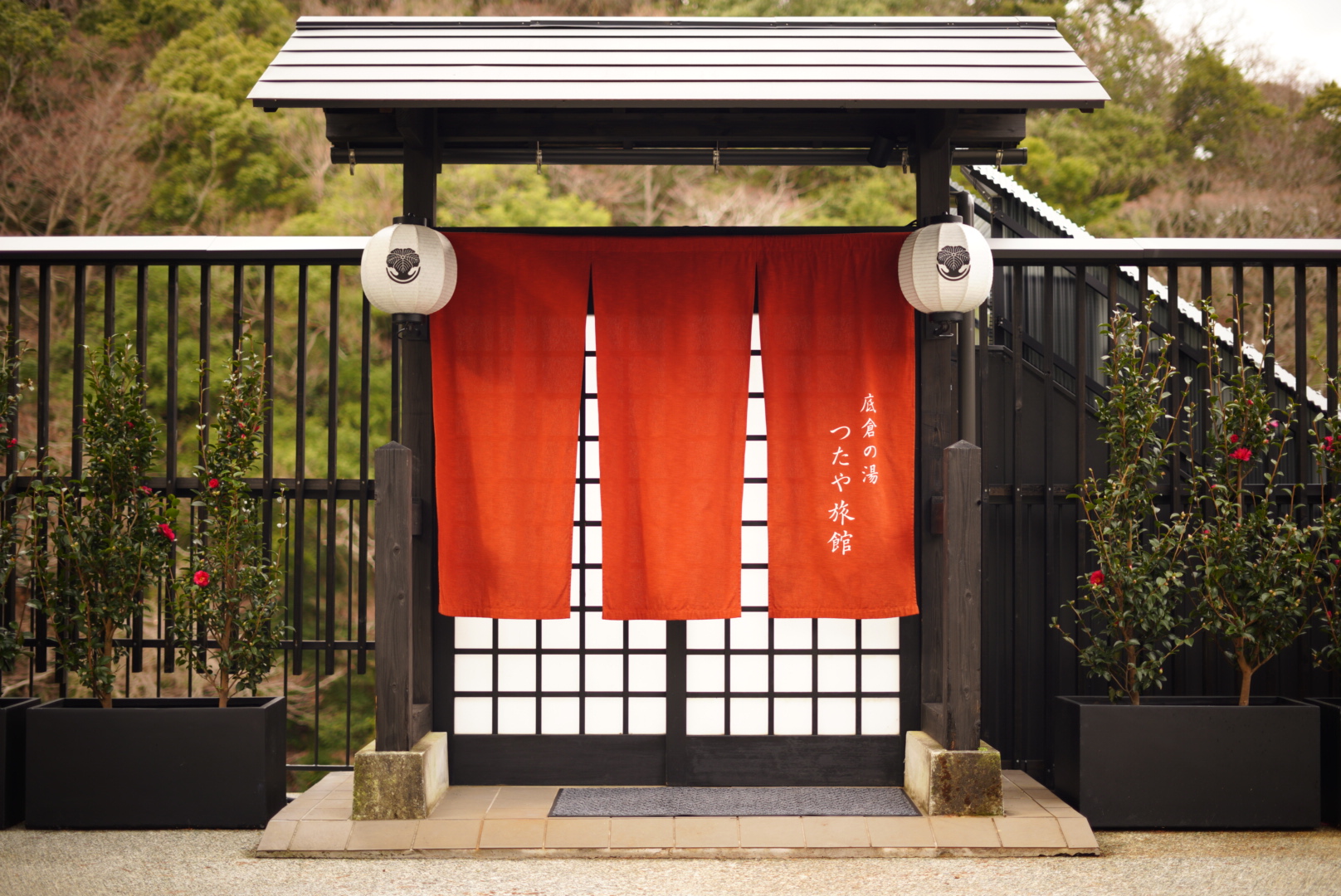
箱根つたや旅館 (Hakone Tsutaya Ryokan) ★4.75/5 · 81 reviews — Traditional inn with direct access to Sokura hot spring, one of the original Hakone Nana-yu (seven springs). Compact and priced well below the resort properties. Affiliate link.
Frequently Asked Questions
Can you do a Hakone onsen day trip without a Hakone Free Pass? Yes, but the pass typically pays for itself if you use the mountain railway, ropeway, and boat cruise in addition to entering at least one paid onsen. For a pure onsen-only trip, individual tickets may be comparable in price.
Is Hakone onsen better than Nikko onsen for a day trip? Different types. Hakone's onsen infrastructure for day visitors is more developed; Nikko's onsen is more isolated and requires more planning. Hakone is the easier day-trip choice from central Tokyo.
Do you need to book day-use onsen in advance? Tenzan: No reservation required (walk-in, may have short waits on weekends). Hakone Yuryo: Public bath is walk-in; the private open-air baths must be reserved in advance. Yunessun: Walk-in accepted; weekends can be crowded.
How hot are the Hakone onsen pools? Standard pools run 40–42°C. Some facilities have cooler pools at 37–38°C. The temperature feels more intense than it sounds if you're not accustomed to hot bathing; start in the cooler pools.
Are Hakone's onsen pools sulfurous? Yes. Genuine Hakone water smells of hydrogen sulfide (the famous "rotten egg" smell of sulfurous springs). This is normal and correct. The smell dissipates quickly after you dry off.
Conclusion
Hakone's day-use onsen infrastructure is genuinely excellent, and the assumption that a full ryokan stay is required to access it is simply wrong. For a day trip from Tokyo — 85 minutes each way on the Romancecar — you can spend a morning soaking in mineral-rich outdoor pools in a cedar forest, ride one of Japan's most dramatic mountain railways, see an active volcanic valley, and return to Shinjuku by dinner. Tenzan Tohji-kyo is the right starting point for most visitors. Book your Romancecar seat in advance, get there by 9:30 AM, and you'll have the pools mostly to yourself for the first hour.
And if the day trip leaves you wanting a more dramatic, remote setting than Hakone's developed valley, the vast riverside open-air baths at Takaragawa Onsen near Minakami — a few hours north of Tokyo in Gunma — are among the country's most spectacular, and reward an overnight stay rather than a rushed day trip.